
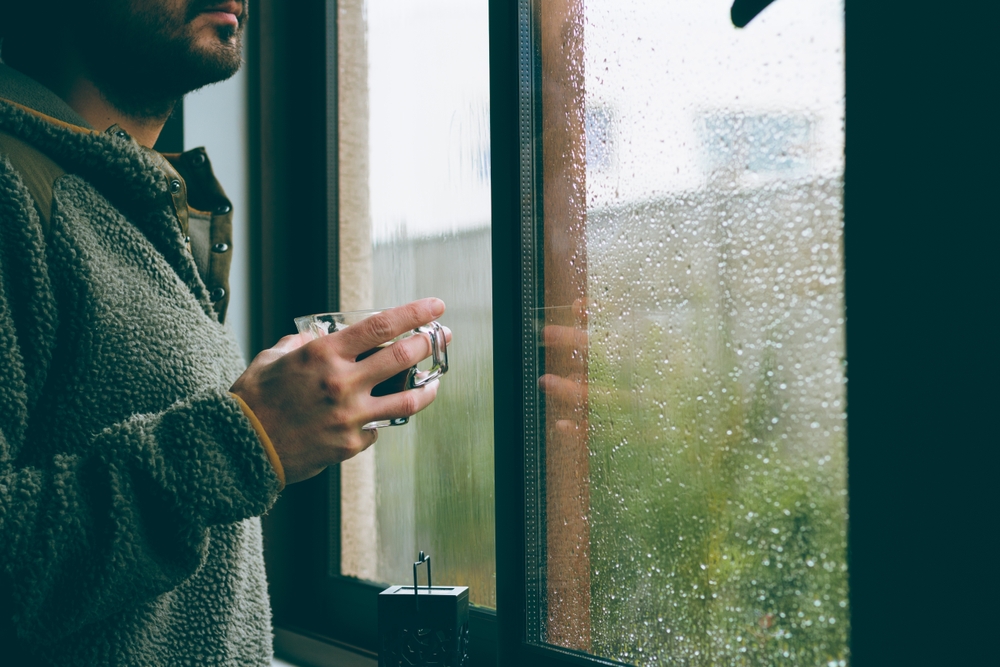
Post-Rain Cleaning Tips for Denver Homes During Storm Season
- Entryways: Immediate cleaning to stop mud and water; use double mats, shoe storage, and microfiber drying.
- Hardwood floors: Dry immediately, spot clean with pH-neutral cleaner, avoid excess water, inspect for warping, apply protective sealants.
- Tile and grout: Sweep first, use eco-friendly tile cleaners, scrub grout with a soft-bristle brush, rinse and dry, seal regularly.
- Moisture control: Keep indoor humidity 30 to 50% using dehumidifiers, ventilation, fans, and regular HVAC filter maintenance to prevent mold.
- Eco-friendly disinfecting: Use plant-based cleaners and microfiber, avoid over-saturation, and schedule recurring professional cleaning or maid service Denver CO.
Denver’s climate is often associated with sunshine and dry air, but sudden rainstorms—especially during spring and summer—can disrupt that perception quickly. Fast-moving storms bring moisture, mud, and debris that are easily tracked indoors, creating immediate cleaning challenges for homeowners and working professionals.
Without proper post-rain cleaning practices, these conditions can lead to long-term issues such as floor damage, lingering odors, and compromised indoor air quality. From entryways filled with muddy footprints to damp carpets and streaked tile surfaces, the aftermath of a storm requires prompt and strategic attention.
This comprehensive guide provides actionable, step-by-step post rain cleaning strategies tailored specifically to Denver homes. It also highlights eco-friendly cleaning approaches and explains how professional maid service Denver CO providers can help maintain cleanliness and protect valuable surfaces throughout storm season.
Why Post-Rain Cleaning Is Essential in Denver
Sudden Storm Patterns and Their Impact
Denver’s weather patterns are known for their unpredictability. A clear morning can quickly transition into an afternoon downpour, often catching homeowners unprepared. These rapid shifts increase the likelihood of:
- Mud and dirt being tracked indoors
- Water accumulation near entry points
- Increased humidity levels inside the home
- Debris buildup from outdoor elements
Risks of Delayed Cleaning
Failing to address post-rain messes promptly can result in:
- Warping or staining of hardwood floors
- Slippery and unsafe tile surfaces
- Mold and mildew growth in damp areas
- Embedded dirt in carpets and upholstery
Consistent post rain cleaning Denver CO practices are essential for preventing these issues and maintaining a clean, safe living environment.
Step 1: Immediate Entryway Cleaning
Why Entryways Matter Most
Entryways act as the primary barrier between outdoor elements and your home’s interior. After a rainstorm, they become the first collection point for mud, water, and debris.
Actionable Cleaning Steps
- Remove Wet Items Immediately
- Take off shoes, umbrellas, and outerwear at the door
- Use designated storage areas or trays to contain moisture
- Clean and Dry Mats
- Shake out outdoor mats to remove debris
- Wash or replace saturated indoor mats
- Wipe Down Surfaces
- Clean door handles, frames, and nearby walls
- Use eco-friendly disinfectants to remove bacteria
- Dry the Area Thoroughly
- Use microfiber cloths or mops to absorb excess water
- Promote airflow with open doors or fans
Preventative Measures
- Install double-layer mat systems (outdoor and indoor)
- Use shoe racks or storage benches
- Apply water-resistant coatings to entryway flooring
Step 2: Hardwood Floor Care After Rainstorms
Common Issues with Hardwood
Hardwood flooring is particularly vulnerable to moisture. Even small amounts of water can seep into seams, causing expansion, discoloration, and long-term damage.
Cleaning and Protection Techniques
- Dry Immediately
- Use a dry microfiber mop to remove visible moisture
- Avoid letting water sit for extended periods
- Spot Clean Mud and Dirt
- Use a damp (not wet) cloth with a pH-neutral cleaner
- Avoid harsh chemicals that can strip finishes
- Disinfect Safely
- Opt for eco-friendly disinfectants designed for wood surfaces
- Ensure minimal liquid exposure
- Inspect for Damage
- Check for warping or dull spots
- Address issues early to prevent further deterioration
Long-Term Floor Protection
- Apply protective sealants periodically
- Use rugs in high-traffic areas
- Schedule routine deep cleaning services
Step 3: Tile and Grout Cleaning After Rain
Why Tile Surfaces Require Attention
Tile floors are more water-resistant than hardwood, but they are not immune to post-rain issues. Mud and debris can settle into grout lines, leading to discoloration and bacterial growth.
Effective Cleaning Process
- Remove Loose Dirt First
- Sweep or vacuum to prevent scratching during mopping
- Use a Targeted Cleaning Solution
- Choose eco-friendly tile cleaners
- Focus on grout lines where dirt accumulates
- Scrub Grout Areas
- Use a soft-bristle brush for deep cleaning
- Avoid abrasive tools that can damage surfaces
- Rinse and Dry
- Mop with clean water to remove residue
- Dry thoroughly to prevent slipping hazards
Preventative Maintenance
- Seal grout lines regularly
- Use entryway mats to reduce dirt transfer
- Schedule periodic professional tile cleaning
Step 4: Moisture Control and Air Quality Management
The Hidden Impact of Indoor Moisture
Post-rain humidity can linger indoors, especially in enclosed spaces. This creates an environment conducive to mold growth and poor air quality.
Strategies for Moisture Control
- Increase Ventilation
- Open windows when weather permits
- Use exhaust fans in kitchens and bathrooms
- Use Dehumidifiers
- Maintain indoor humidity levels between 30–50%
- Focus on high-moisture areas such as basements
- Dry Soft Surfaces
- Air out rugs, upholstery, and curtains
- Use fans or specialized drying equipment
- Clean Air Vents and Filters
- Remove dust and moisture buildup
- Replace HVAC filters regularly
Benefits of Proper Moisture Management
- Reduces risk of mold and mildew
- Improves indoor air quality
- Protects furniture and structural elements
Step 5: Eco-Friendly Disinfecting After Storm Exposure
Why Eco-Friendly Cleaning Matters
Post-rain conditions introduce bacteria, allergens, and contaminants into the home. Eco-friendly disinfecting ensures effective sanitation without introducing harsh chemicals into your living space.
Recommended Eco-Friendly Cleaning Practices
- Use Plant-Based Cleaners
- Effective against germs while safe for surfaces and air quality
- Apply Microfiber Technology
- Captures dirt and bacteria without excessive chemicals
- Focus on High-Touch Areas
- Door handles, light switches, countertops
- Avoid Over-Saturation
- Use minimal moisture to prevent additional water exposure
Key Advantages
- Safer for children and pets
- Reduces chemical residue
- Supports sustainable home maintenance
Step 6: Deep Cleaning After Heavy Storms
When Routine Cleaning Is Not Enough
After particularly heavy rainstorms, standard cleaning methods may not fully address the extent of dirt and moisture buildup. Deep cleaning becomes essential.
Areas That Require Deep Cleaning
- Carpets and rugs with embedded mud
- Upholstery exposed to moisture
- Baseboards and corners where debris accumulates
- Behind appliances where dirt can settle unnoticed
Deep Cleaning Techniques
- Steam Cleaning for Carpets
- Removes embedded dirt and bacteria
- Detailed Surface Cleaning
- Focus on overlooked areas such as vents and baseboards
- Sanitization of High-Traffic Zones
- Entryways, kitchens, and living rooms
- Odor Removal
- Use natural deodorizers to eliminate musty smells
The Role of Professional Services
Professional maid service Denver CO providers offer specialized equipment and expertise to handle deep cleaning tasks efficiently. Their services ensure:
- Thorough removal of dirt and contaminants
- Protection of delicate surfaces
- Consistent, high-quality results
Preventative Strategies for Future Storms
Establish a Storm-Ready Cleaning Routine
Preparation is key to minimizing post-rain cleaning efforts. Implementing preventative measures can significantly reduce indoor mess and damage.
Practical Preventative Tips
- Keep cleaning supplies readily accessible near entryways
- Use waterproof mats and runners
- Encourage a no-shoes policy indoors
- Schedule regular maintenance cleanings
Seasonal Maintenance Planning
Denver homeowners benefit from aligning cleaning routines with seasonal weather patterns. Regular inspections and maintenance reduce the impact of recurring storms.
The Value of Recurring Professional Cleaning
Why Consistency Matters
Routine cleaning is not only about maintaining appearance—it is a proactive strategy for protecting your home’s surfaces and overall hygiene.
Benefits of Recurring Services
- Consistent removal of dirt and moisture buildup
- Extended lifespan of flooring and furnishings
- Improved indoor air quality
- Reduced need for intensive deep cleaning
Customized Cleaning Plans
Professional cleaning services tailor their approach based on:
- Home size and layout
- Flooring types
- Household activity levels
- Seasonal challenges
This level of customization ensures optimal results and long-term protection.
Conclusion
Post-rain cleaning is an essential aspect of home maintenance in Denver, where sudden storms can introduce mud, moisture, and debris into living spaces with little warning. By implementing structured cleaning strategies—ranging from immediate entryway care to advanced moisture control—homeowners can protect their floors, maintain indoor air quality, and preserve the overall condition of their property.
Eco-friendly cleaning solutions further enhance these efforts by providing safe and effective sanitation without compromising environmental or household health. For more intensive needs, professional maid service Denver CO providers deliver the expertise and efficiency required to restore cleanliness and prevent long-term damage.
Organic Maids provides professional deep cleaning services across Denver, Arvada, Boulder, and Highlands Ranch.
Ready for a cleaner home?
Share this article
Related Posts











Follow us
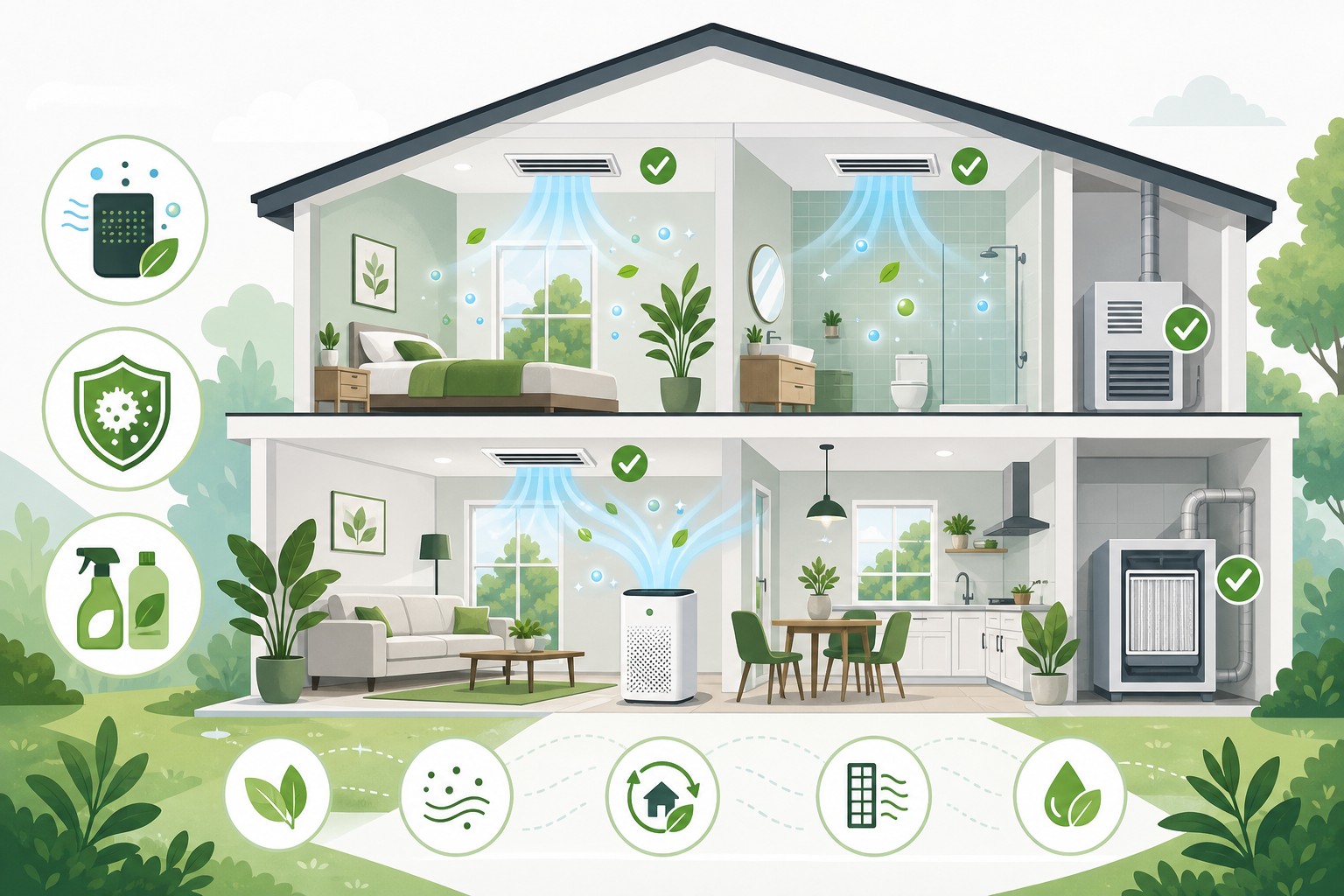
A quick overview of the topics covered in this article.